NEWS LINES…………….. NEWS LINES……………….. NEWS LINES…………………. NEWS LINES………………….. NEWS LINES
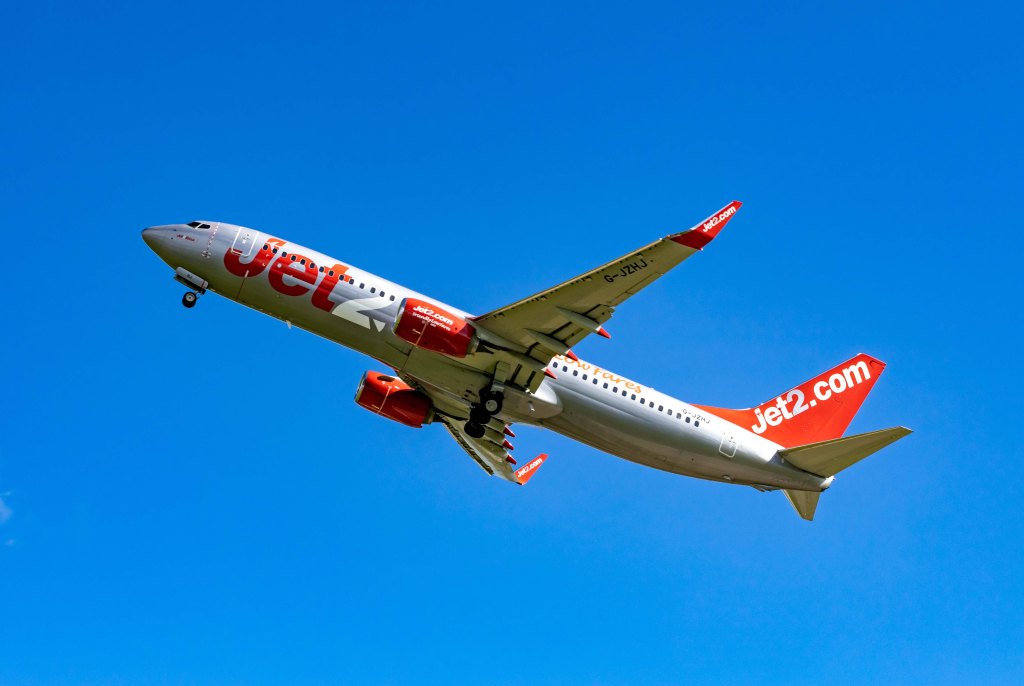
BRITISH holidaymakers face a summer travel lottery amid the global jet fuel crisis – with some airlines better placed than others to dodge anticipated flight chaos.
An investigation by the Daily Mail has found passengers’ chances of disruption could depend heavily on the airline they booked with.
The Daily Mail analysis of ten major carriers used by UK travellers found that Jet2 tops airline resilience rankings – while Turkish Airlines languishes at the foot of the index, having already suspended 23 international routes.
The warning of mass flight cancellations and disruption comes amid fears of crippling fuel shortages linked to the war in Iran and disruption in the Strait of Hormuz, a vital route for oil tankers.
Jet fuel prices doubled from roughly $100 (£73) per barrel in late February to around $200 (£146) per barrel in early April following disruption caused by the conflict in the Middle East.
The research, carried out with aviation intelligence platform My Flight Path, ranked key airlines on fuel hedging and schedule stability.
Fuel hedging means airlines lock in future fuel prices in advance. Usually, it is a dry accounting tactic buried in company reports.
But when oil and jet fuel prices rocket, it can decide which airlines have enough breathing space to protect their summer schedules – and which are under pressure.
Fuel costs typically account for 20 to 30 per cent of an airline’s operating expenses in normal conditions.
Jet2 – Britain’s third-largest airline – topped the table with a score of 91 out of 100, having already locked in around 85 per cent of its 2026 fuel supplies and no scheduling cuts announced.
The holiday airline also has £3.3billion in total cash and around £2billion in net cash.
A Jet2 spokesperson told the Mail: “This report recognises Jet2’s financial strength, strongly hedged position, and industry-leading excellence in taking people on their holidays without making cancellations.
“We have been very clear that we are looking forward to operating our scheduled programme of flights and holidays as normal this summer, meaning our customers can enjoy their well-deserved holidays.
“As a strong, stable company with a long track record of being a consumer champion, we were the first airline and tour operator to announce that we will not introduce surcharges, and with fantastic value to be enjoyed right now, there has never been a better time to book one of our flights or holidays.”
Budget giant Ryanair is close behind at 89 out of 100, with approximately 82 per cent of its 2026 fuel hedged at £49 per barrel – among the cheapest locked-in rates of any carrier globally.
EasyJet (86 out of 100) also falls in the ‘well protected’ tier. The company has 84 per cent of its fuel hedged in the first half of 2026 and 70 per cent in the second half of the year.
The declining hedge profile through the second half of the year is reflected in a score that sits below Ryanair and Jet2, but still comfortably in the low-risk tier.
TUI’s score of 84 out of 100 places it in the ‘well protected’ tier, reflecting a strong fuel hedging position and an absence of confirmed schedule cuts – the two primary inputs to this index.
Jono Oates, of My Flight Path, said: “The most striking finding in this index is not which airlines come bottom, it is which ones come top.
“Jet2, Ryanair, easyJet and TUI, the four carriers operating more than half of all UK summer departures, occupy the top four positions and are all rated ‘well protected’.
“Between them they will carry the majority of British holidaymakers this summer, and on the measure that matters most this season – how much of their fuel cost is locked in – they are materially better insulated than several of the larger international network carriers below them.
“All four have locked in the majority of their 2026 fuel requirements at rates well below current spot prices, and none has announced schedule cuts for the summer.”
Mr Oates added: “The counterintuitive finding is that the airlines best known for cheap fares, rather than financial sophistication, turn out to be among the best protected this summer. Fuel hedging is unglamorous work, but right now it matters more than almost anything else an airline does.
“The gap between top and bottom of this index is wider than most would expect. Airlines with less fuel protection aren’t necessarily going to cancel your flight, but they have a thinner cushion against further shocks.
“A second fuel spike, an operational disruption, a bad weather season: those things land very differently on a carrier with 85 per cent of its fuel locked in than on one at 40 per cent.
“People spend hours comparing fares before they book. This data is public – buried in annual reports that nobody outside the investment community reads. Translating it into something a family can check before they book is what this is about.”
Passengers should check whether their chosen airline has announced schedule changes on their route before booking.
Travellers are also advised to consider whether they are buying a flexible fare, especially when booking with an airline in the elevated-risk tier.
If a flight is cancelled, passengers are entitled to rerouting or a full refund. Financial compensation may also apply unless the airline can rely on extraordinary circumstances.
Those booking package holidays should check whether their trip is Atol-protected. Most UK package holidays are, meaning customers are financially protected if an airline or travel company fails.
Travel insurance covering airline failure or cancellation may also provide an extra layer of protection.


