CYPRUS BY NATASHA WARCHOLAK
WHAT unites countries in the north of Europe is the craving for sun and warm seas. Cyprus has the reputation of having it all.
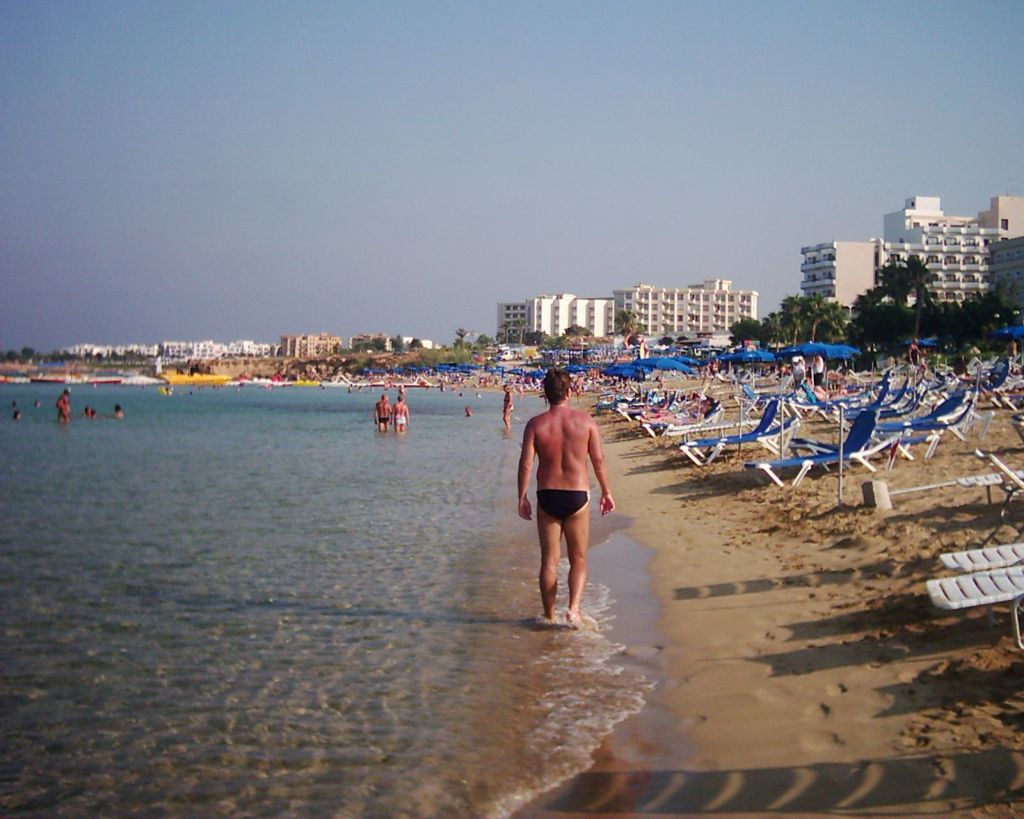
Beaches, for starters, are exquisite, and there such a wealth of them: sandy beaches with turquoise waters are good for family fun in the sun, while deep water bays nestling in the rocky outcrops are perfect for snorkelling and diving. A well-trodden path along the coastline lends itself to cycling and power-walking. And meeting the local heart-throbs, should you choose to slow down.
“If you want a fun beach for young people, go to Nissi Beach, Landa or Makronissos. If you want peace and quiet, Agia Tekhla is your place. Protaras is more family-orientated. The small harbour Potamos Touliopetri and the Kavo Ghreko peninsula overlooking the Konnos Bay are great picnic sites and within cycling distance of Agia Napa – the famous holiday resort,” advise local experts.
Bucking all trends towards international uniformity and conformity, Cyprus stands proudly as a citadel of individuality. The lack of gargantuan holiday conglomerates indicates that the Cypriot mindset values product over packaging. Tourism is markedly less aggressive than in some other Mediterrean holiday havens. This is what makes the place so attractive.
When to go
Experts agree that for lovers of nature spring is the best time to visit Cyprus. May is the month of the rose harvest in the region of Agros, an enticing village in the Trodos Mountains’ Pitsilia region (1,100 metres above the sea level, an hour’s drive north of Limassol).
What to see and do
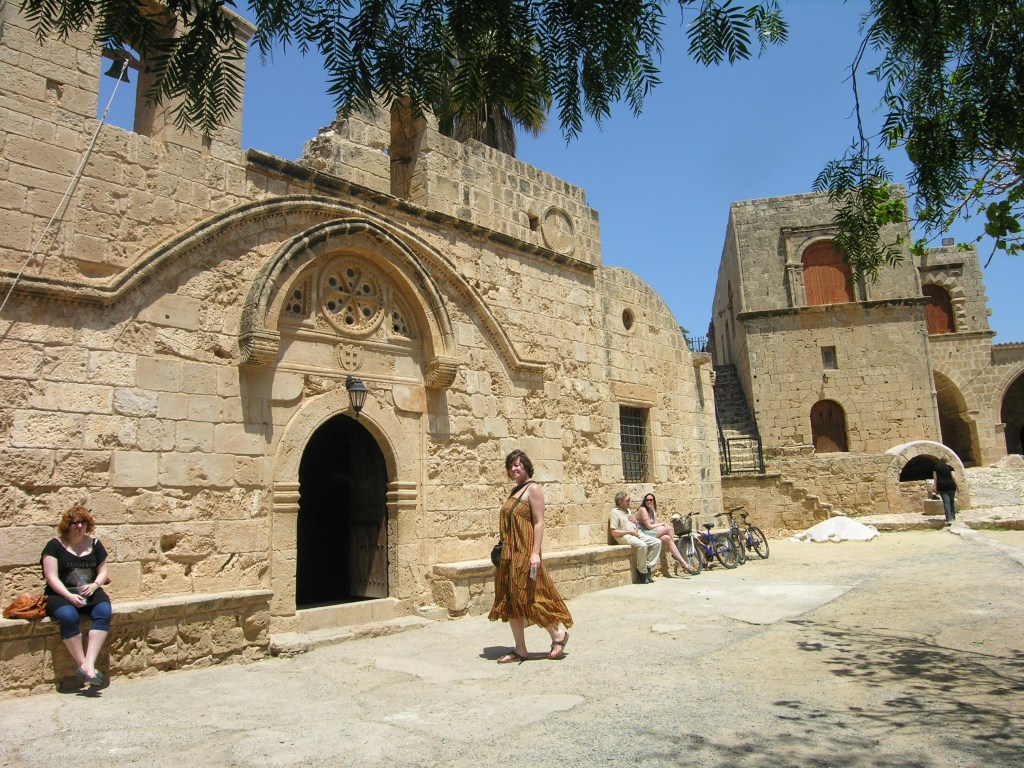
The Agia Napa Monastery and the geolithic settlement of Choirokoitia (included in the World Heritage List for Cultural Sites of UNESCO) should rank high on your list, as should the small harbour of Potamos Touliopetri and the Kavo Ghreko peninsula which overlooks the Konnos Bay. All are great picnic sites and within a cycling distance of Agia Napa.
The village of Omodos near Limassol boasts the Holy Cross Church and a nice market with the not-to-be-missed handmade laceworks. Limassol’s market tucked in the medieval Old Town offers locally grown produce and freshly caught fish. The medieval castle is also worth a visit.
With its 35 active monasteries, Cyprus also lends itself to religious tourism. Archaeological sites abound. It is also a diving haven (Irish and British licences welcome).
Rosa damascena is the flower that puts Agros on the tourist trail. The region around Agros is also great for agrotourism and welcomes volunteers willing to participate in the rose harvest.
In 1917, Nearchos Klirides founded the Pupils Association for the Dissemination of the Rose Bush, and introduced a scheme expanding rose bush cultivation with the aim of producing rose water. Local companies have taken up the challenge and set up their company manufacturing rose water products. According to experts, it takes 70 roses to produce one drop of essential oil – just to give you an idea of the amount of work underpinning the fragrant rose goods. Most of these are available in earthenware bottles and pots made on the site.
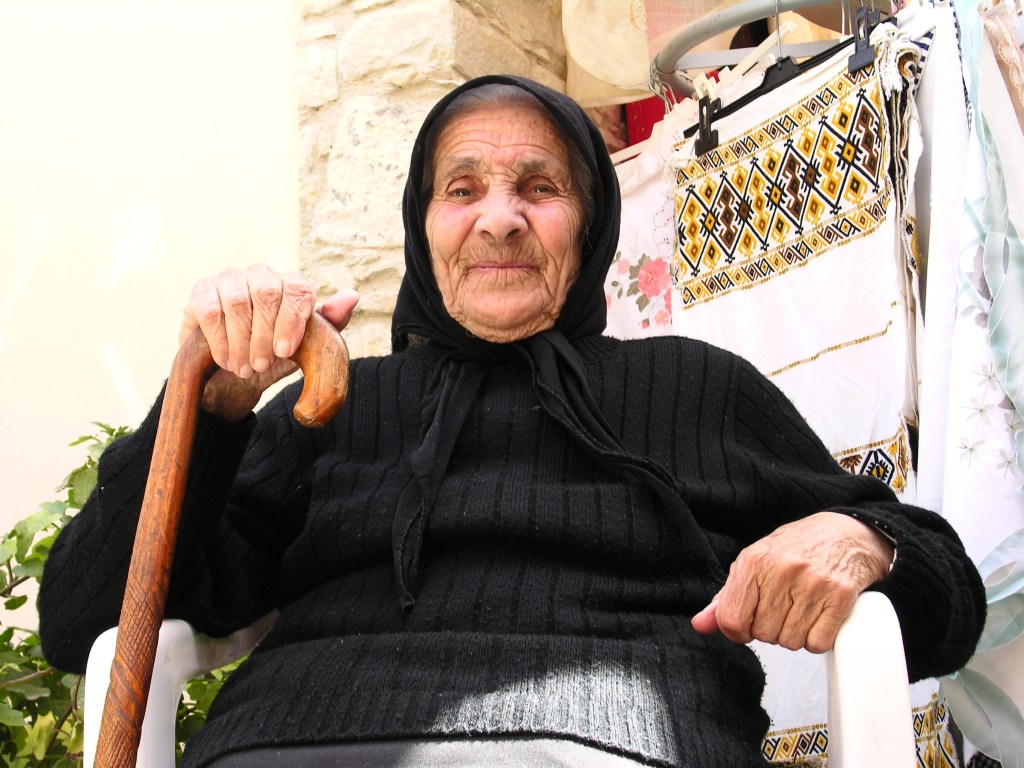
And there is more. Wine production in Cyprus dates back to the 4th century AD. Local wines can be sampled in villages, monasteries and various small wineries. No appointment is necessary – just turn up and Cypriot hospitality will embrace you in no time. The aforementioned Agros region is unique because both wine and rose are cultivated together. Bees carry pollen from the roses to the vines, resulting in a rose-scented Cabernet Sauvignon.
Shopaholics won’t be disappointed either. The village of Omodos near Limassol specialises in not-to-be-missed handmade laceworks. Limassol’s market tucked in the medieval Old Town offers locally grown produce and freshly caught fish. A plethora of boutiques caters for all tastes.
Food and drink
Cyprus is renowned for its hospitality, with the locals always ready to treat an unexpected visitor. Within the island itself, communities and cultures fiercely maintain their regional specialties. The west of the island is famous for home-baked cakes. The central part prides itself in natural sweets that can be stored for months. One of these, Shoutzioukos – almonds or nuts covered with grape juice and starch – is a healthy snack worth having in your bag when on a picnic or trek. Sometimes it is referred to as a ‘natural Snickers bar’ to give you the idea of its taste and properties.
On a more savoury note, local meat processing units around Agros will provide carnivores with preservatives-free, wine-smoked rashers of bacon and other meats rolled in coriander, pepper and oregano and cumin.
Cypriots luxuriate in their table culture. Meals sprawl for hours and time is a non-issue. A traditional meat or fish meze – a variety of small beautifully fresh, grilled and oven-fried dishes, is anoher must-try in Cyprus. A plethora of multi-coloured Cypriot wines compete to wash it down. The food is unique to the island and nothing beats an aromatic and freshly cooked meal on a sunny veranda.
The fertility of Cypriot soil gives birth to a melange of fragrances so delightfully aromatic and tangible that you positively yearn to bag them and take them home. Thyme, myrtle, fennel and coriander grow wild, yielding a subtle yet lasting aroma that infuses the salty air. Cyprus is also known as spudland – it produces 120 thousand tonnes of potatoes a year, of which about 80 per cent are exported.
Accommodation
A lot of the hotels in Cyprus are family-owned giving a personal touch to the Cyprus experience. Villas and flats for short and long term rent are also available.
To cap it all, this island in the eastern Med, south of Turkey, west of Lebanon, Syria and Israel, east of Greece and north of Egypt ticks all boxes. Aphrodite was born here. It is a recognised wedding destination. Nature trails and wine routes are at your fingertips. The all-in resorts with blue skies and warm seas, lively bars and eateries, vineyards and picturesque villages nestling in mountains, UNESCO sites, jaw-dropping flora and fauna, nature trails and even skiing in winter are bound to charm the most jaded holiday maker.
Like the slogan says – Love Cyprus.
FACT FILE:
Official name: The Republic of Cyprus
Population: 800 thousand people, of which 82% are Greek Cypriots, 12% – Turkish Cypriots
Languages: Turkish and Greek are the state languages. English is widely spoken.
When’s best to go: April and May is the prime time to visit Cyprus – rendered ‘best for flowers’.


