By David Pettitt, Head of Product, Pettitts Travel
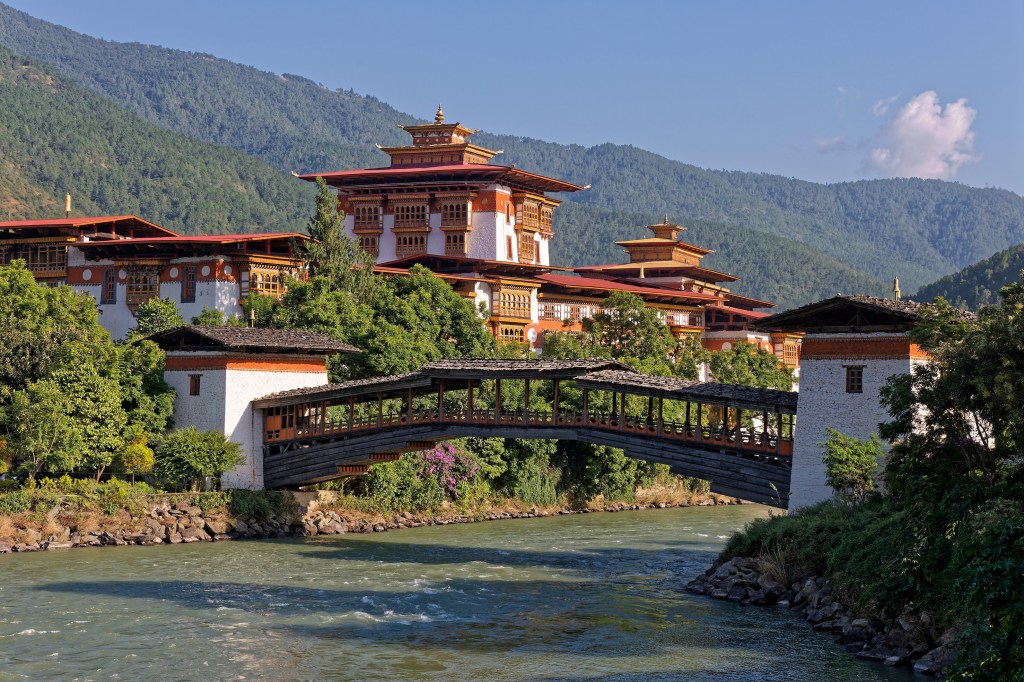
NESTLED between India and China, Bhutan is one of the world’s leading up-and-coming travel destinations.
Demand has seen a sharp increase, with Pettitts Travel seeing a 25 per cent increase on enquiries for Bhutan between 2024 and 2025.
It’s a trend that is being reflected in Bhutan’s tourism statistics. In recent years, Bhutan has seen a steady increase in visitor numbers as travellers seek more meaningful, experience-led journeys.
Bhutan’s Department of Tourism reported a 44 percent year-on-year increase in tourist arrivals earlier this year, far surpassing the global average of between four and 12 percent.
And with Bhutan’s long-term goals of tourism contributing to the national GDP by 10 to 15 percent, we can expect to see this figure continue to climb as the country welcomes travellers from further overseas.
A key reason for Bhutan’s rising popularity could be its long-held commitment to sustainability and cultural preservation. ‘Responsible travelling’ has surged in interest, with 2,900 UK monthly Google searches (up 53 percent over the last three months), so it’s no surprise Bhutan is a top choice for those seeking a more conscious and purposeful way to explore the world.
While most of the world strives for carbon neutrality, Bhutan is the first country in the world to become carbon negative, thanks to its abundance of forests and low population. Over 70 percent of the country remains forested, making it one of the most environmentally protected nations in the world.
Additionally, 100 percent of its energy is from green and renewable sources, primarily hydropower. The country also has a plastic ban in effect since 1999, so tourists will need to be mindful of what they’re bringing into the country.
Uniquely, Bhutan measures its success through Gross National Happiness rather than Gross Domestic Product (GDP), prioritising the well-being of its people and environment over purely economic growth.
Outside of the country’s impressive sustainability credentials, tourists flock to Bhutan for both its stunning mountainous landscapes and spiritual heritage. The country is deeply rooted in Buddhist culture, with colourful festivals, centuries-old dzongs (fortresses) and intricate monasteries offering travellers a window into traditional Bhutan culture.
The best things to do in Bhutan
#1. Thimphu
As Bhutan’s capital city, Thimphu is home to key landmarks, including the impressive Tashichho Dzong and the Buddha Dordenma statue overlooking the valley.
Visitors can explore local markets, traditional craft shops and museums that showcase Bhutanese art and heritage.
#2. Tiger’s Nest Monastery
Considered one of the most sacred sites in Bhutan, no trip is complete without a visit to Paro Taktsang. Also known as Tiger’s Nest Monastery, this dramatically hangs on a cliffside above the Paro Valley.
With no road, visitors will need to be prepared for a relatively strenuous hike uphill to the monastery, taking anywhere from four to eight hours to complete roundtrip. There is also a viewpoint halfway through the ascent for those not able to complete the full hike.
Remember to dress modestly when visiting Bhutan’s monasteries or temples, and photography is rarely permitted within sacred spaces.
#3. Experience a Bhutanese festival
Bhutan’s culture is deeply tied to its Buddhist traditions, which are celebrated through its frequent festivals (tsechus). These festivals often include masked dances, music and rituals.
Two of the biggest festivals are Thimphu Tsechu and Punakha Tsechu, both of which honour the Guru Rinpoche who spread Buddhism throughout Bhutan. These multi-day festivals are said to bring good fortune to those that witness it.
When to visit and how to plan your trip
The majority of travellers arrive at Bhutan’s only international airport, Paro, with flights operated exclusively by Druk Air and Bhutan Airlines. Because of this, UK tourists will need to stopover in nearby travel hubs, like Kathmandu, Delhi, Kolkata or Bangkok. There are also land borders with India at Phuentsholing and Samdrup Jongkhar.
Bhutan can be visited year round, however it is most recommended you visit during either the spring or autumn seasons – the former when rhododendrons are in bloom and the latter when mountain views are at their clearest. Winters can be very cold and many of the high mountain passes will be snowbound. Summer is wetter, affected by the monsoon rains that travel north through the subcontinent. Bhutan’s vibrant festivals occur throughout the year and it is always worth checking to see if one is taking place when you plan to visit.
Due to Bhutan’s controlled tourism policy, trips must be planned in advance. You’ll need a tour guide to attend a lot of its attractions, and will likely need to book any guides, accommodation and transport together as a package. Specialist tour operators can provide tailor-made itineraries that balance cultural immersion with comfort and ease.

 The 'Travel' Life of Brian