… AND THEY’LL DRAW YOU BACK TIME AND TIME AGAIN
AS July 1 is the anniversary of the start of the Battle of the Somme, it reminds me that another of the places I will be heading back to when things return to normal, will be the battlefields of northern France, and the area around the village of Pozieres on the Bapaume-Albert road, close to the valley of the Somme.
It was a couple of miles from here that the 36th Ulster Division went over the top as part for the massive Allied offensive of the First World War designed to breach the German Lines and bring years of attritional Trench warfare to an end. A major objective was also to take the pressure of the hard-pressed French who had sustained horrendous casualties and even mutiny from some of their soldiers at Verdun.
I wrote recently that I have travelled to Ypres, and the battlefields of Flanders in Belgium, many many times, usually at least once a year, the purpose being to visit the last resting place of my great uncle, Rifleman George McClure in Canada Farm Cemetery just outside the town.
However, I always combine a trip to Flanders with a drive of about an hour and half to the Somme and the valley of the River Ancre where the 36th Ulster Division sustained such a great loss of life, and indeed heroically took the German strongpoint, the Schwaben Redoubt in the initial Somme assault on July 1, 1916. Unfortunately, reinforcements did not arrive to help them consolidate their gains and the Ulstermen had no alternative but to withdraw back their starting point having suffered hundreds of casualties in a single day.
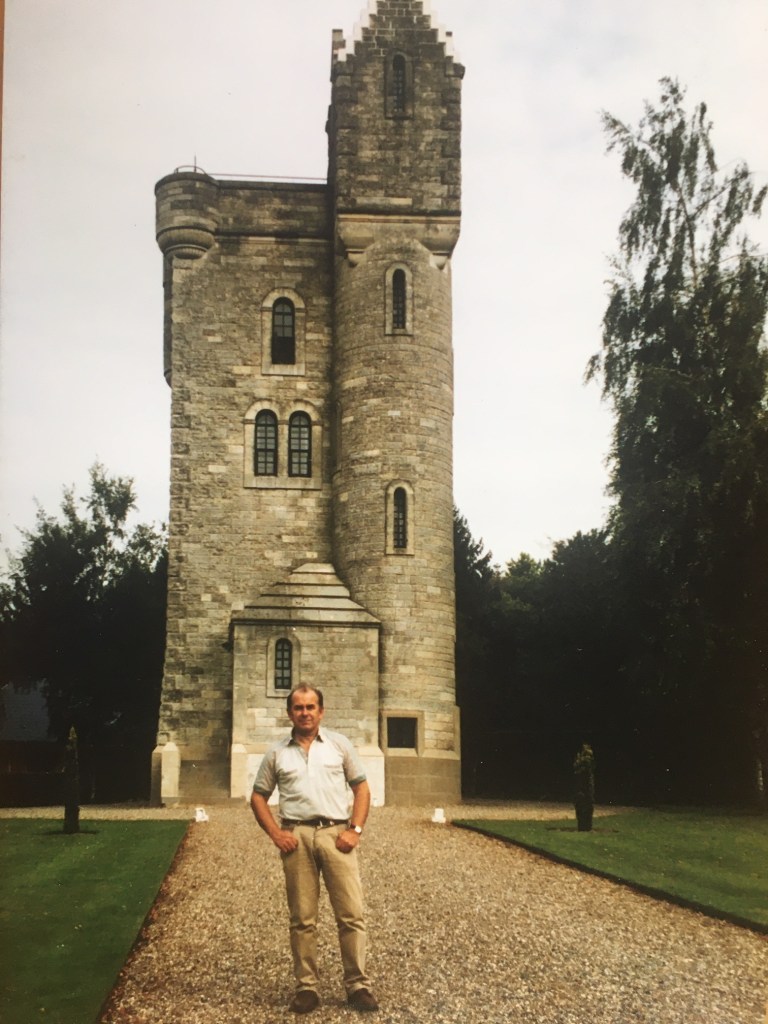
It is mostly motorway driving from Ypres, via the French city of Lille which sits close to the border between France and Belgium. Heading in the direction of Paris on the Auto Route you exit at Bapaume then take the main road to Albert. About halfway along between the two towns, turn right at Pozieres, to reach the Ulster Tower, a place of pilgrimage for Northern Ireland people.
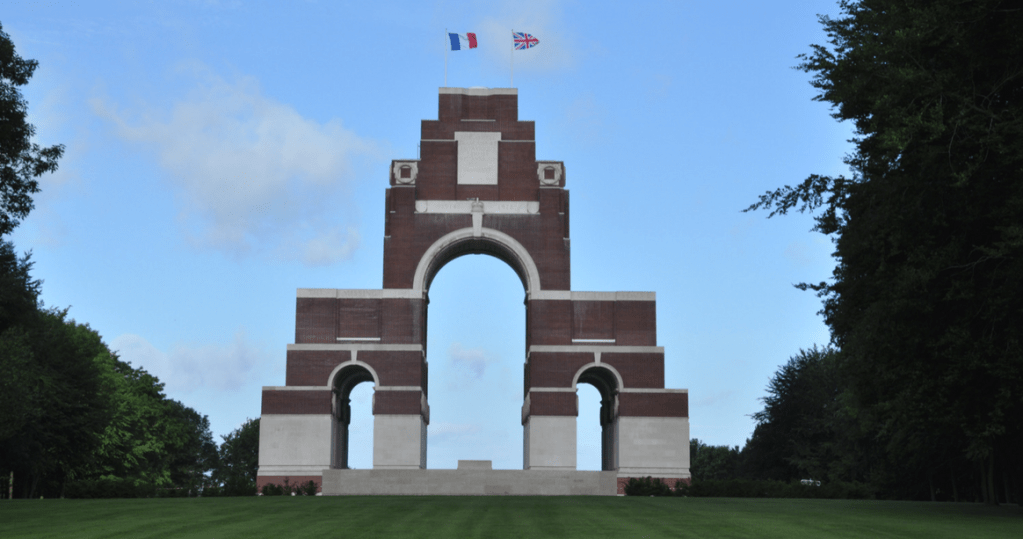
The Tower, modelled on Helen’s Tower in Clandeboye Estate at Bangor, is just a couple of miles from Pozieres, but before that you pass the huge and most impressive Thieval Memorial. You can’t possibly miss it on your left hand side along with its comparatively recently constructed visitor centre.
Take time for a snack at the little restaurant at the Ulster Tower and admire the crests and colours in the Tower itself, as well as the artefacts in the museum. You can also watch a short film of the Ulster Division going on the attack, and the last time I was there visitors had the chance of going on a guided walk into Thieval wood, from where the Ulster Division launched their assault.
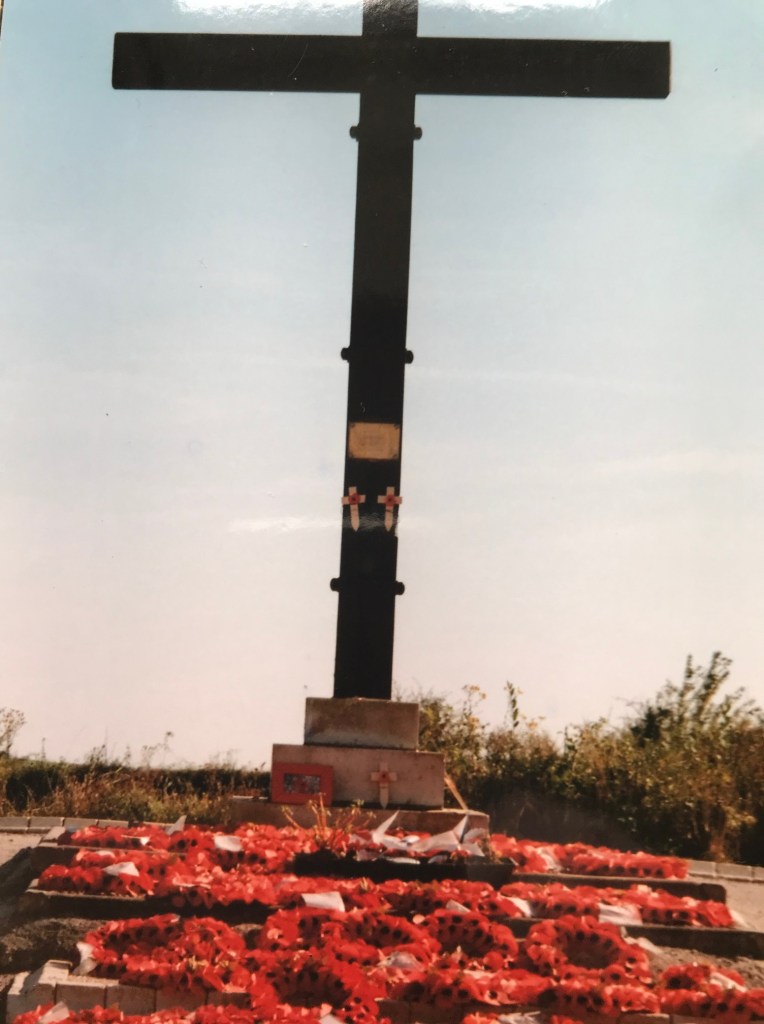
There are several cemeteries within walking distance of the Ulster Tower, but the closest Mill Road is definitely worth a look. It lies on top of the German strongpoint, the Schwaben Redoubt, and because of the warren of tunnels some of the headstones have toppled over and lie horizontal. It is common to find pieces of barbed wire, spent bullets and other artefacts, but be careful – people are still being killed and injured because of unexploded ordinance and there is still ongoing work for bomb disposal teams.
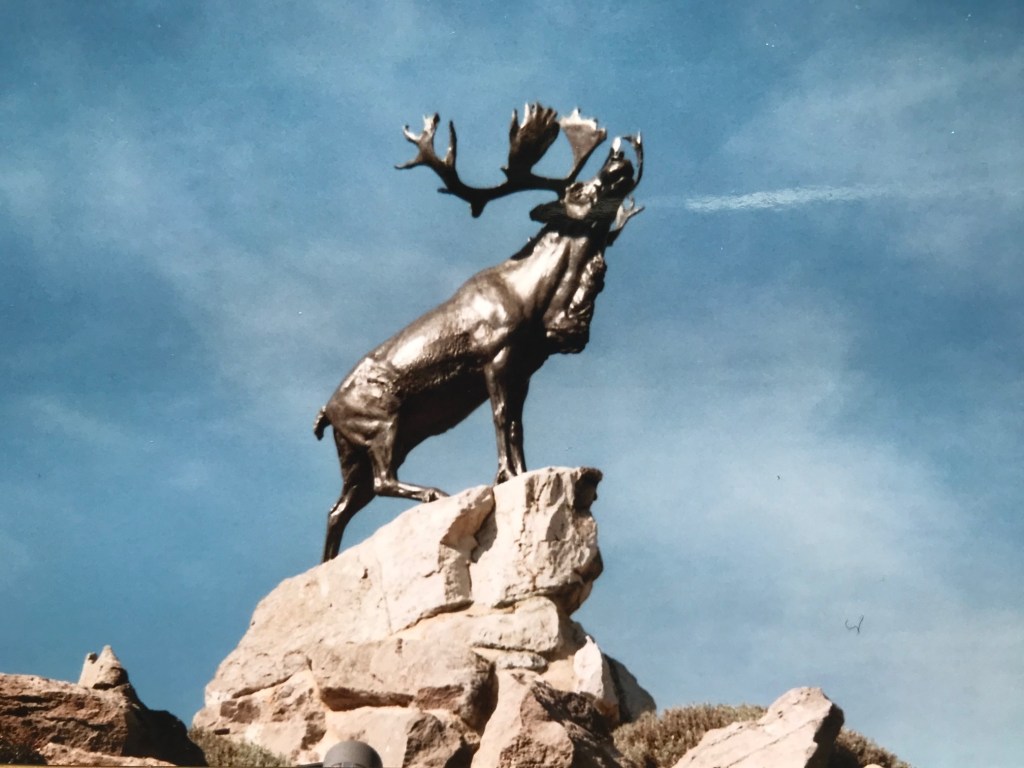
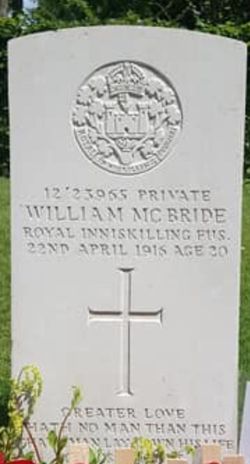
As well as the Ulster Tower there are several other local places of interest well worth visiting. The Newfoundland Memorial and Visitor Centre at Beaumont Hamel is just five minutes drive away on the other side of the River Ancre, while in the same locality is the cemetery at the village of Authueille, reputed to contain the grave of the Willie McBride from Lislea, County Armagh, who inspired the great WWI ballad written by Scotsman Eric Bogle.
Near Albert, visit the site of Le Grand Mine, the Lochnagar crater near the little village of La Boiselle, the largest man-made mine crater of the First World War which was exploded under German positions two minutes before zero hour on July 1, 1916. Also try to take in the South African Visitor Centre and Memorial at Delville Wood, which is particularly impressive. The wood was completely destroyed as the South Africans hung on grimly for six days before being relieved, testimony to the ferocity of the battle was the fact that only 113 of 750-odd dead have their own marked grave.
There is not a lot of accommodation outside the town of Albert, but Avril Williams runs a really good B&B at Auchonvilliers, just a mile from the Newfoundland park. She has trenches in her garden and her own museum on site.
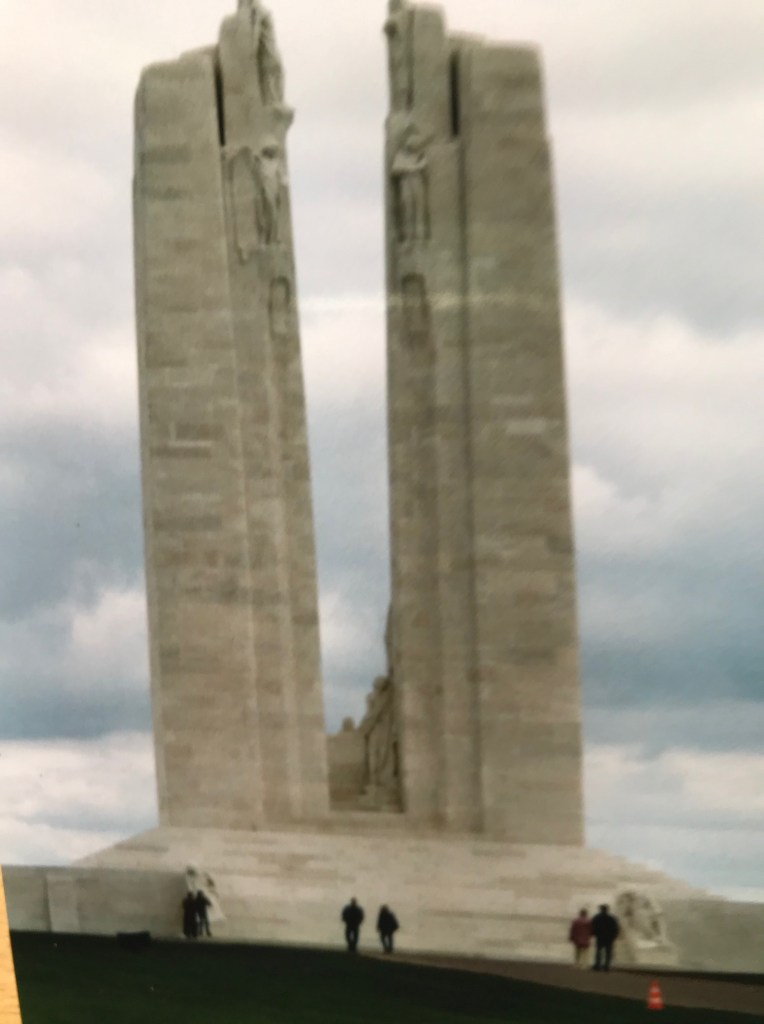
If you are travelling back to Flanders it is worth making time and taking a slight detour to visit the hugely impressive Canadian memorial at Vimy Ridge where you can go underground and walk in the tunnels underneath the hill.
One thing’s sure, once you visit the First World War Battlefields you will be back……
For the latest breaking news, features and other travel related stories, follow my Travel Blog, The Travel Life of Brian, link: http://thelifeofbrian.travel.blog

 The 'Travel' Life of Brian