BY NATASHA WARCHOLAK
THERE comes a time in everybody’s life when one is overpowered by an urge to do something special. The realisation of adulthood can take different forms – it could mean revamping your wardrobe, swapping vodka shots for knowledgeable wine sipping or becoming an avid Radio 4 listener at the expense of the X Factor.
In holiday terms, it might take the form of trading the disco culture of Costa Del Fish&Chips for somewhere quaint but not boring, sunny but not sizzling, somewhere picturesque exuding an atmosphere of sophistication and elegance.
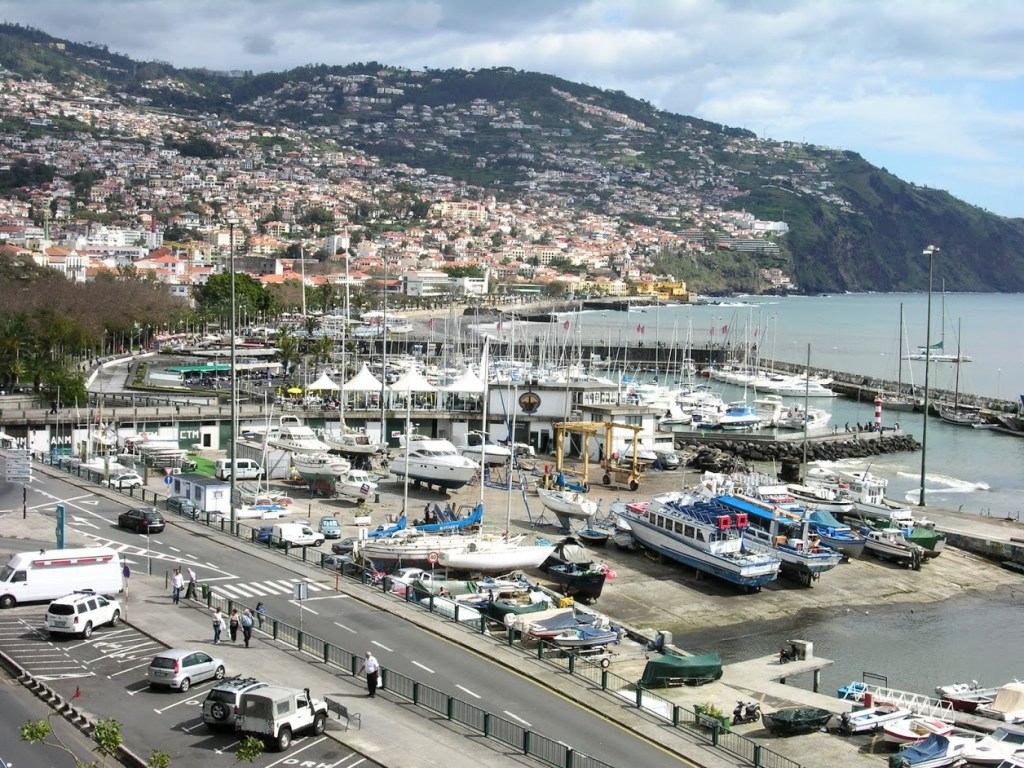
Take a step further south and then west and you encounter an island celebrated for its sub-tropical flora, year-round flower blossom, stunning gardens and unique wines. An autonomous region of Portugal, it is actually closer to Morocco than the European mainland. Three hours from Dublin, its lush shores welcome with a friendly climate and year-round temperatures hovering around 21 Celsius.
Madeira is known as ‘the pearl of the Atlantic’. Much of the island is designated as National Park, and much of the island is blessed by an abundance of natural beauty.
To see and do
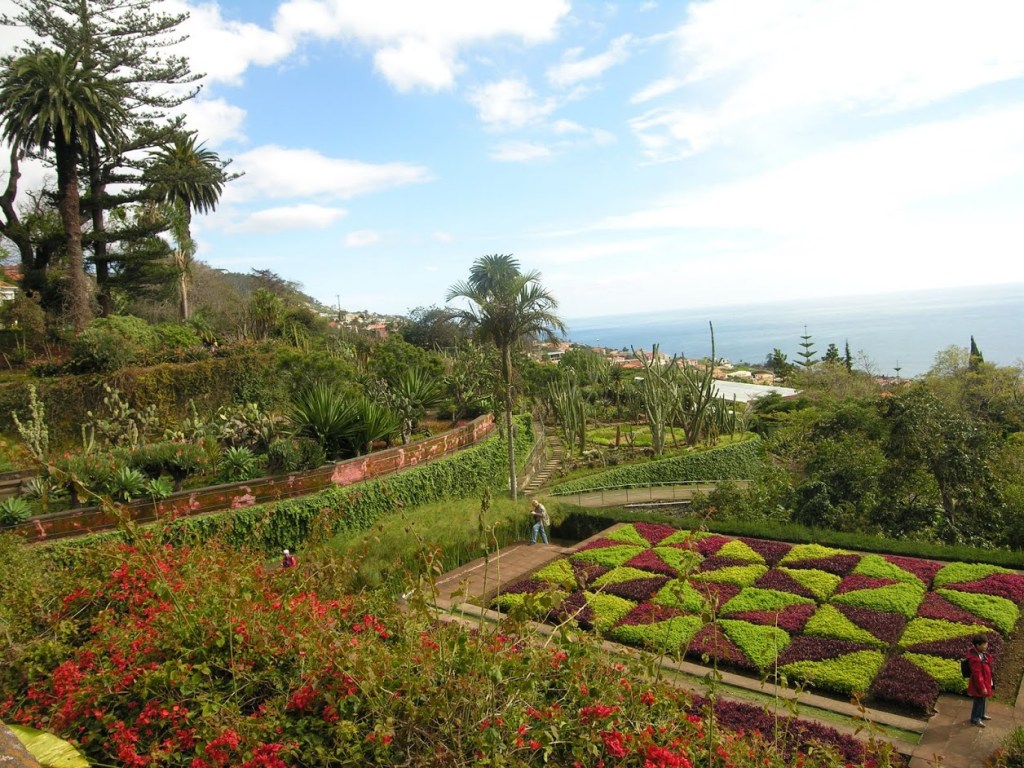
Thinking of Madeira as just another sun destination does the island a disservice. Its precipitous scenery of gorges, hills, renowned gardens and meandering footpaths sets the scene for the perfect walking holiday. Many of the hiking routes follow the paths of the levadas, which breaks down to some 2,000km of ancient channels built to carry water down to the island’s settlements.
Madeira boasts a number of different micro climates, which add up to the overall walking experience. The Levada 25 Fontes, named after the twenty five natural springs and waterfalls that can be seen en route, comes especially recommended.
Not necessarily a beach holiday destination, Madeira’s capital Funchal has a lot to offer. Those looking for less active passtimes will be happy to sample fortified wine, or to indulge in the world famous afternoon tea at Reid’s Palace. For those craving a laze on the beach, the island of Porto Santo, ‘one long beach with a bit of an island attached’, is within an easy reach of Funchal.
With its two attractive 18-hole golf courses – one at Santo da Serra (designed by Robert Trent Jones) and another one at Palheiro Quality, golfing is another reason why Madeira is such a popular resort.
To stay
Your first port of call should be a quinta-type accommodation. This is a converted manor house often with a family feel, boasting its own garden rich in herbs, fruit and vegetables. Each quinta could tell a few stories.
To eat and drink
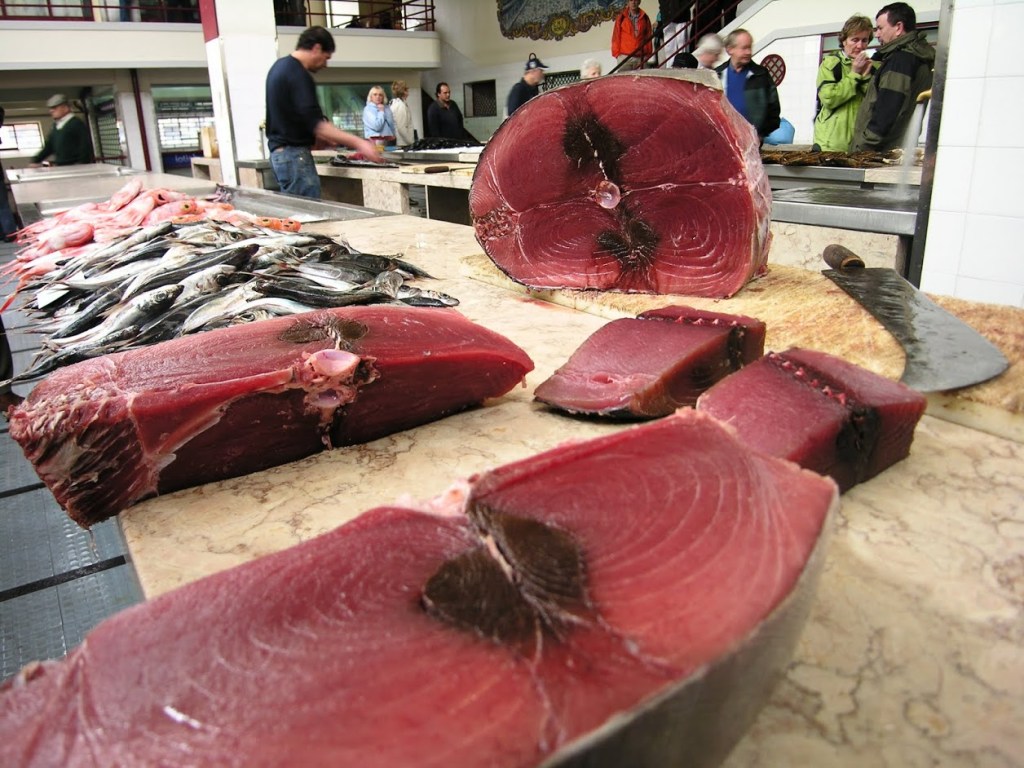
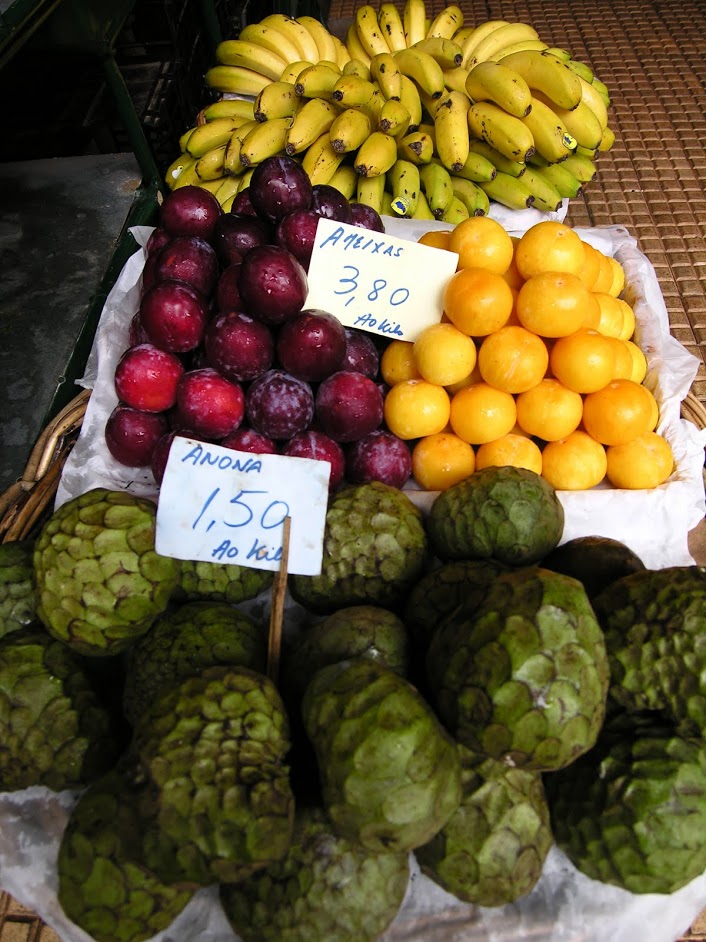
‘In Madeira you can grow anything,’ is what you often hear at the celebrated indoor Farmers Market in Funchal. Madeira has a subtropical climate so you just need sun and water. Indeed, the market reflects this. All the fruit on display is locally grown, including the mysterious anona fruit the flavour of which can be described as ‘banana-meets-pineapple-meets-apple’ – soft in texture and having an artichoke-like appearance.
The scabbard fish is another ‘must-try’ in Madeira, often served with fried bananas. Madeiran hotels offer a variety of menus even for the most jaded restaurant-goer. The light and fresh Vinho Verde goes well with local cooking, as in fact do all the varieties of the Madeira wine range.
Getting around
Funchal is a walkable city populated with friendly locals eager to give directions in English. The streets are easy to navigate and the views continually amaze. Hop on/hop off buses are a convenient way to negotiate Funchal’s fascinating topography, as are regular bus services. In each case, a day ticket valid for 24 hours can be purchased. Taxis are also a good way to get around. These can be hired for a few hours and an English-speaking driver can be arranged. Car hire is easy but negotiating the steep and winding roads which dissect the island requires concentration and skill.
Madeira might be a southern island but the traffic rules are very strict. Not wearing a seatbelt might set you back 100 euro, even on the back seat. Most hotels provide courtesy buses to and from the city centre.
The island as a whole is extremely well kept and clean. Cable car connects Funchal with the Monte station and offers views that are literally breathtaking, especially for those suffering from vertigo. The Monte station is situated near Monte Palace Tropical Garden, at Caminho das Babosas.
People
The Madeirans communicate through their savoir-faire and ever-present smile. “Life is good here,” smiles Jose Manuel Vieira, a friendly driver. “Living on a small island is relaxing and the people are quiet, friendly and welcoming. It’s always been a tourist destination so people are used to receiving visitors,” he adds.
If your preference is for vomiting teenagers and the thunder of all-night disco parties, Madeira is not the place for you. However if dazzling scenery, spotless streets and gourmet food is more your thing, then it is time to book a break in Madeira.
FACTS:
Official name: Madeira Autonomous Region
Population: 289,000 (2016 estimate)
Area: 828 km2
Languages: Portuguese. English is widely spoken.
Capital: Funchal
Highest peak: Pico Ruivo (elevation 1,862m), can be reached by three routes
Time zone: GMT
Currency: Euro
When’s best to go:
- Flower Festival takes place two weeks after Easter
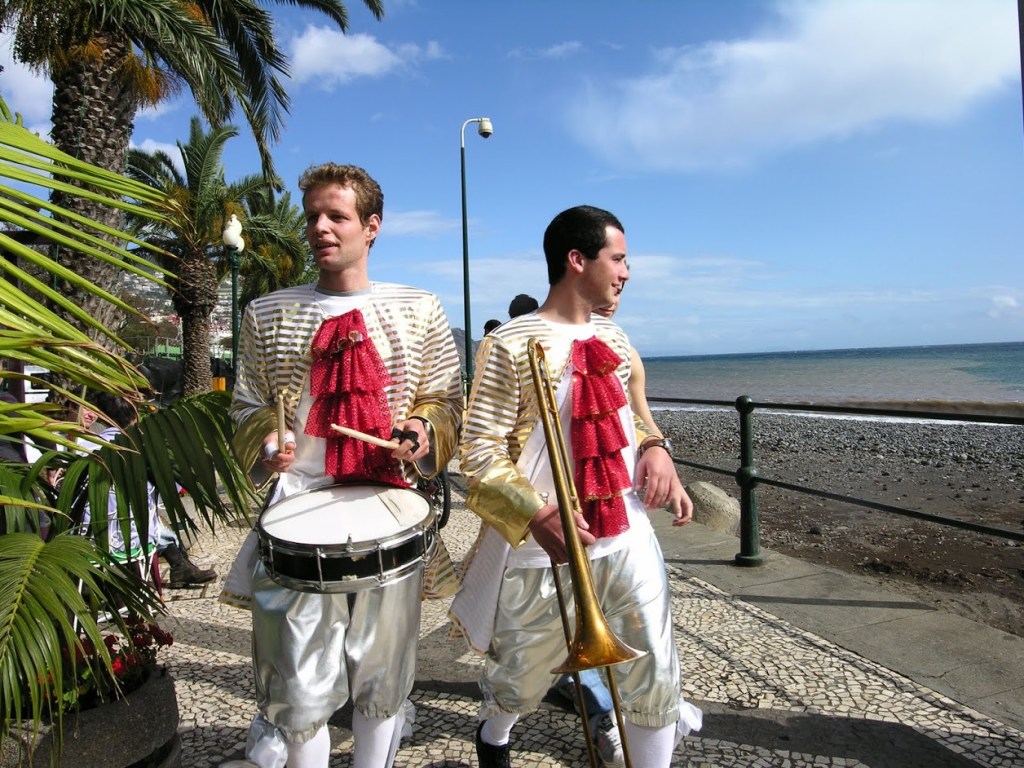
- Last Saturday before the Lent and Shrove Tuesday mark the Madeira Carnival and the final parade, for which everybody dresses up. The theme is that there is no theme. The Carnival is a nod towards the Carnival in Rio taking place at the same time.
- Wine festival takes place in September.

 The 'Travel' Life of Brian