BY BRIAN OGLE
ONE of the first places I will be heading back to when international travel resumes is to the town of Ypres in Belgium – right in the middle of the First World War Battlefields.
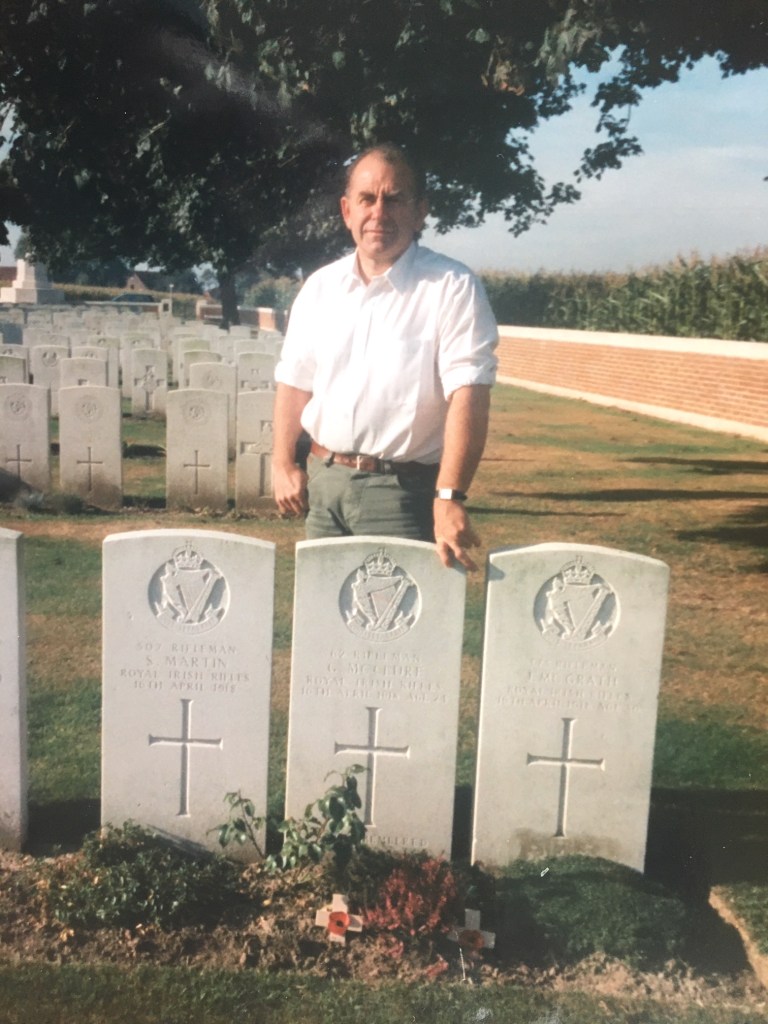
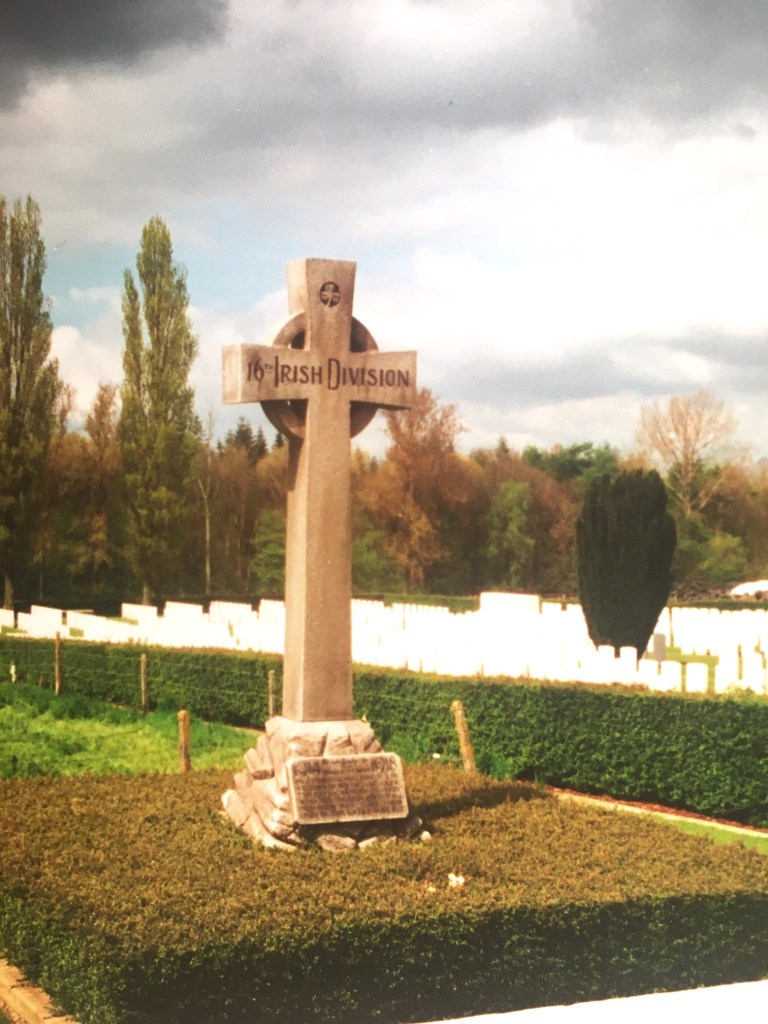
Up until about three years ago I visited the area at least once a year, partly because I found the last resting place of my great uncle – it must be 25 years ago now – Rifleman George McClure from Moira, in Canada Farm cemetery just a few miles from this beautiful market town in West Flanders.
Ypres (Leper in Flemish and Wipers to the troops) was never captured by the Germans but was totally destroyed as it was just a few miles from the front line and the hottest of the hot spots on the Western Front.
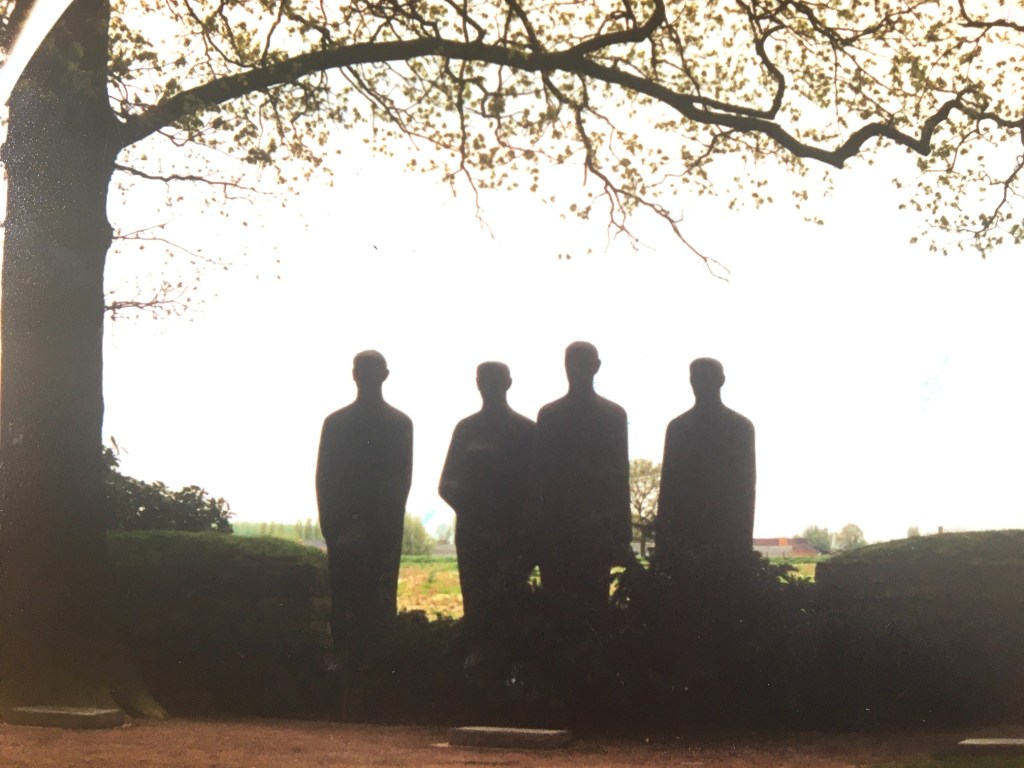
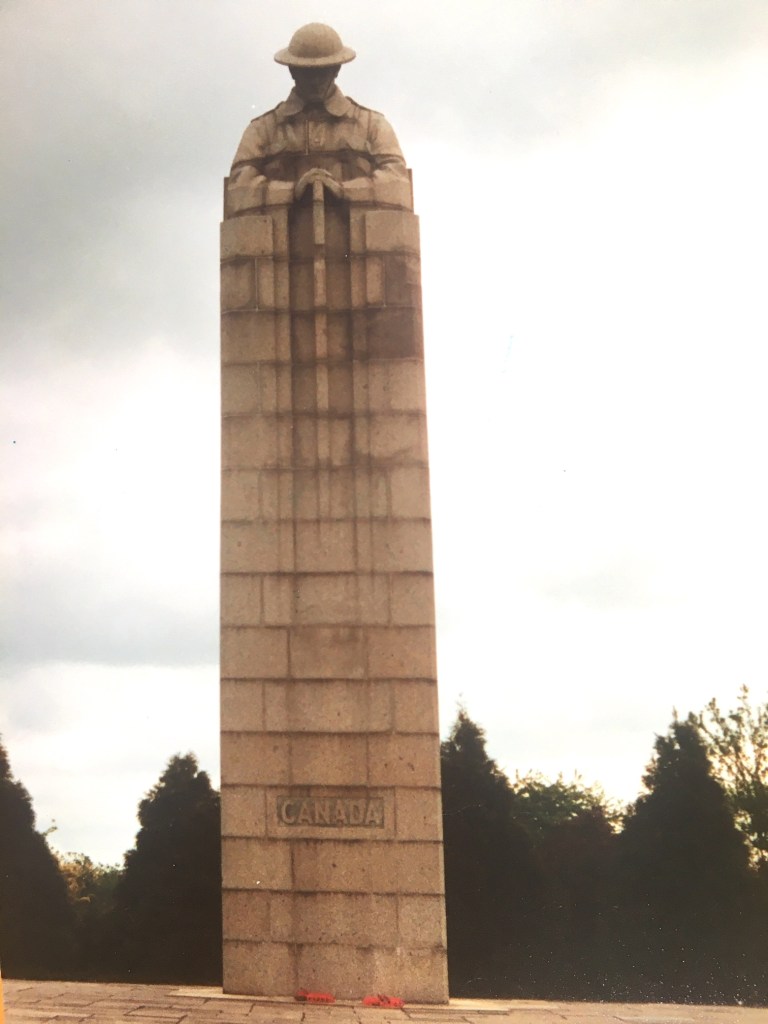
Just a few minutes drive from the town centre are places like Messines, site of the Ireland Peace Park, and Passchendaele, a name synonymous with horror and sacrifice, Tyne Cot Cemetery, the biggest British Commonwealth War Cemetery in the world, and the last resting place and memorials to poets like Francis Ledwidge from Slane, County Meath, and John McCrae, who wrote the famous lines ‘In Flanders Fields…. the poppies grow…..”
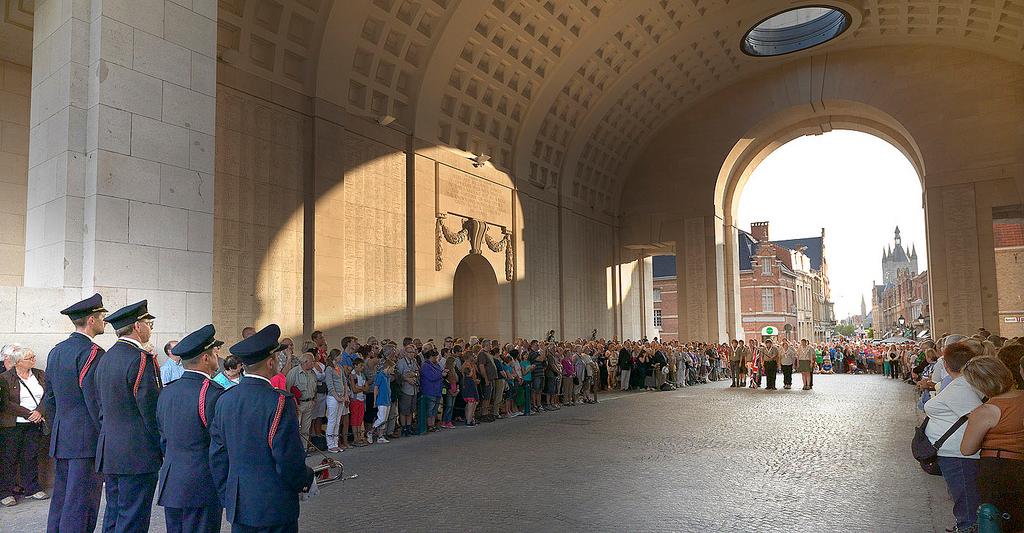
The British and Commonwealth troops marched out of Ypres to the Front line through the Menin Gate which spans the main road and it is the Menin Gate which provides a remarkable and ongoing memorial to the hundreds of thousands who lost their lives.
Almost 55,000 names of those with no known grave who were killed on the Ypres Salient are engraved on its Portland stone arches, and every night, yes every night, since 1929, (except for the four years when Ypres was under Nazi occupation in WWII, and probably now during the coronavirus crisis) a memorial ceremony takes place.
The traffic stops, and the ceremony which includes the laying of wreaths, The Last Post and words of remembrance, takes place every night at 8.00pm precisely, in all weathers, every single day of the year. Sometimes it is attended by a few dozen people, but often several hundred and sometimes crowds running into four figures, at especially significant times of the year.
Ypres has a remarkably incredibly beautiful town centre, centrepiece of which is the stunning Cloth Hall which houses the ‘In Flanders Fields’ Museum and the tourist centre.
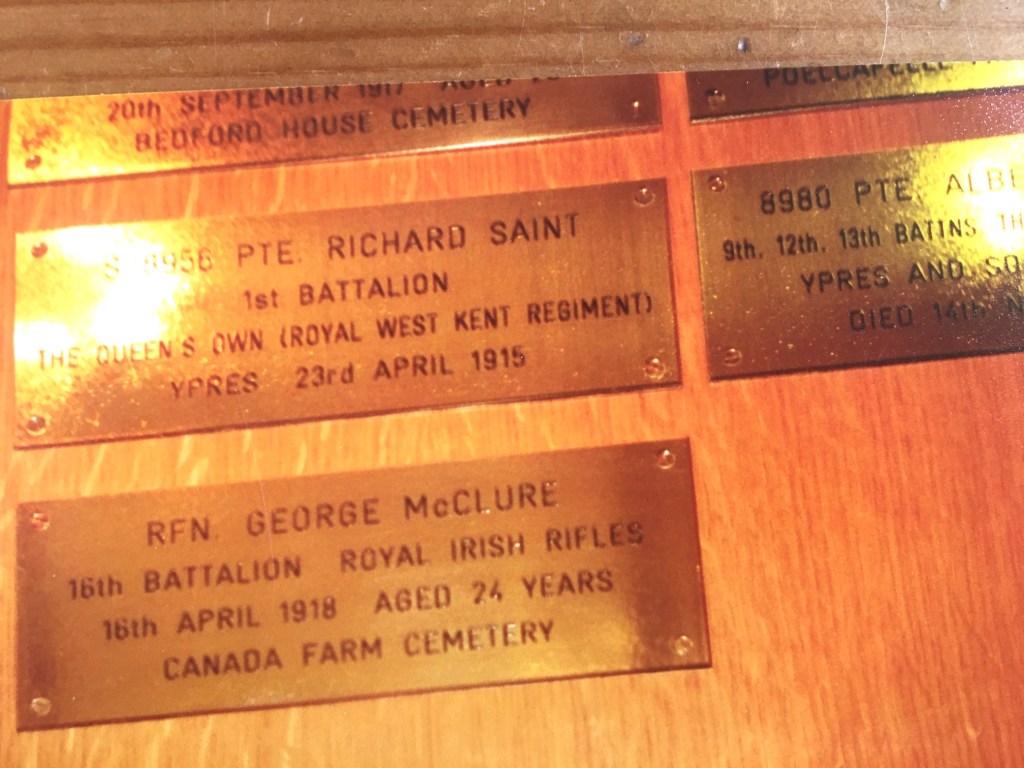
Just five minutes walk away is St George’s Church which provides a place for those who come from the British Isles and the Commonwealth to reflect and remember. The inside of the church itself is covered in plaques, memorials and embroidered cushions/kneelers remembering regiments and particular individuals.
On one of the brass plaques as you enter you will find the name of my great uncle, Rifleman George McClure, commemorated led after a memorial dedication service organised by Patricia McBride MBE, (now Patricia McBride-Windsor) originally from Carrickfergus. Pat lives in Lille on the French side of the border, and has a close association with St George’s as did her late husband Maurice, who worked for many years with Belfast engineering company James Mackie on the continent. As well as being honoured by Britain, Pat McBride was awarded the insignia of ‘Knight of the Order of Leopold II’ by the King of the Belgians for her work with relatives visiting the Flanders battlefields.
For the latest breaking news, features and other travel related stories, follow my Travel Blog, The Travel Life of Brian, link: http://thelifeofbrian.travel.blog

 The 'Travel' Life of Brian